First things first, choose the right wood. Soft woods like pine or basswood are great for beginners. They’re easy to carve and don’t require a lot of pressure. Plus, they’re pretty affordable, so if you make a mistake, it won’t break the bank. Look for pieces that are straight and relatively knot-free; this will help you work without too much trouble.
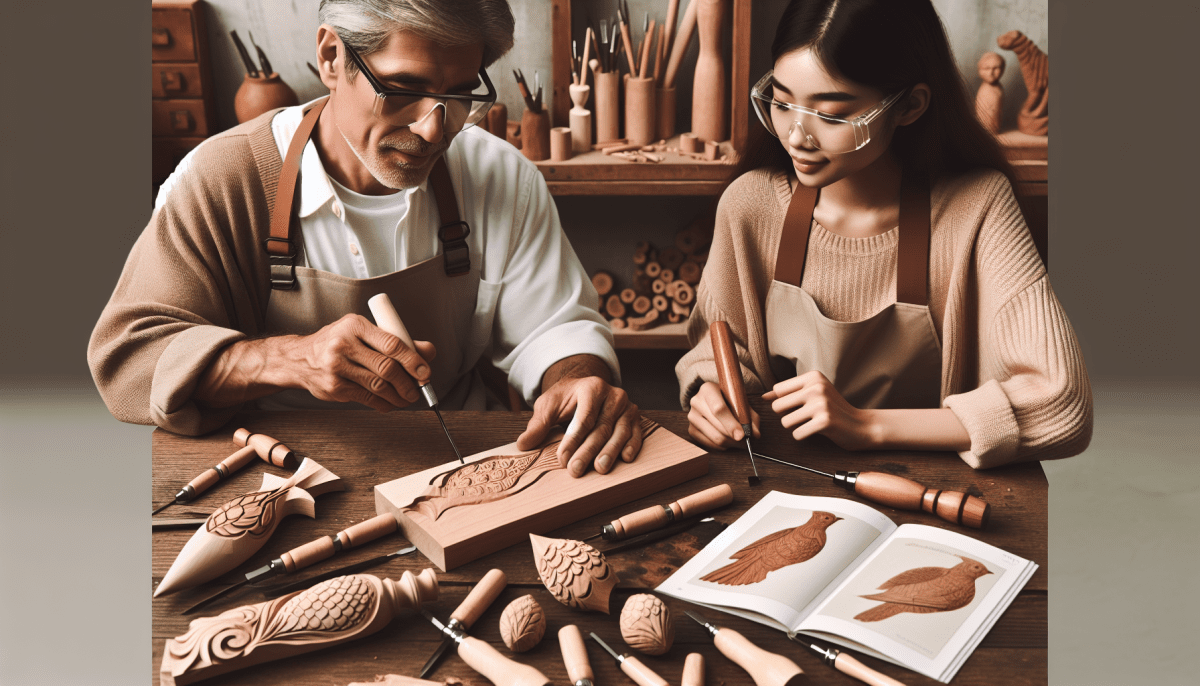
Now, let’s talk tools. You don’t need a whole workshop full of gear to get started. A basic set of carving knives and a chisel will do the trick. Look for tools that feel comfortable in your hands and are easy to control. You can always upgrade later as you get more serious about your carving journey.
Don’t forget about safety! Always carve away from your body, and keep your fingers clear of the blade's path. A carving glove is a great investment if you want an extra layer of protection. And, of course, make sure your workspace is tidy and well-lit so you can see what you’re doing.
Finally, start with simple projects. Look up easy patterns or create your own designs. Practice makes perfect, so don’t be discouraged if your first few pieces don’t look amazing. Enjoy the process, have fun, and soon you’ll see your skills improve. Happy carving!
Essential Tools You Need to Begin
Getting started with wood carving is exciting, but having the right tools makes all the difference. Let’s break down the essential tools you’ll need to kick off your carving journey.
First up, you'll need a good set of carving knives. Look for a basic beginner kit that usually includes a detail knife and a roughing knife. These tools help you remove wood quickly and shape your projects smoothly. Brands like Morakniv and Flexcut have great options that won’t break the bank.
Don't forget about a carving log or a bench hook! These will keep your work steady and prevent it from slipping while you carve. It’s a game changer, especially for beginners who want to focus on the carving itself rather than struggling to hold the wood in place.
Your safety matters, so grab some cut-resistant gloves. They provide peace of mind, allowing you to carve without the constant worry of nicks and cuts. A simple first-aid kit is also a smart add-on for those minor accidents that could happen along the way.
Lastly, a good sharpening tool is essential. A sharpening stone or a sharpening kit will keep your knives in top shape. Dull tools can lead to frustration and less-than-stellar results, so make sure you have a way to keep those edges nice and sharp!
Basic Techniques for Smooth Carving
Starting with wood carving can feel a bit overwhelming, but don’t worry! There are some basic techniques that can make your journey smoother. First off, always choose the right tools. A good set of carving knives or chisels can make a huge difference. Look for tools that feel comfortable in your hand and are sharp enough to do the job. Dull tools can lead to frustration and mistakes.
Next, familiarize yourself with different carving techniques. One popular method is called the “whittling” technique. This involves taking small, controlled cuts at the wood to gradually shape your piece. It’s great for beginners because it allows you to see your progress without making big changes all at once. Try to hold the wood in a stable position, using your other hand to guide the tool smoothly along the grain.
The grip you use can also impact how well you carve. You want a firm but comfortable hold on your carving knife. Hold it like a pencil for more control, or use the “chisel grip” if you’re doing deeper cuts. Experiment with these grips and see what feels best for you. And remember to always carve away from your body to stay safe!
Lastly, practice makes perfect. Start with simple shapes and don’t rush through the process. Spend time getting a feel for the wood and your tools. The more you carve, the more comfortable you’ll get. Take breaks if you start to feel tired—refreshing your mind will help you focus better. With these basic techniques, you’ll be well on your way to enjoying the art of wood carving!
Staying Safe While You Carve
Carving wood can be a lot of fun, but it's super important to stay safe while you're getting creative. You want to focus on your project, not on an accidental slip of the knife. Here are some straightforward tips to keep you safe while you carve.
First, always use the right tools for the job. Having sharp, quality carving tools makes a huge difference. Dull tools require extra force, which increases the chance of accidents. So, keep your tools well-maintained and sharpened. Plus, invest in a good cutting glove for that extra layer of protection.
Next, pay attention to your workspace. Choose a clean, clutter-free area where you can work comfortably. Good lighting helps too, so make sure you can see what you’re doing. If your work surface is stable, you’ll feel more in control. Keep a first aid kit nearby just in case—better to be prepared!
Lastly, always carve away from your body. It's a simple rule, but it makes a big impact. If the tool slips, you want to avoid any accidents. Take your time and don’t rush through your project. Enjoy the process, and you'll carve safely and successfully!